
The Ultimate Beginner’s Guide to Strength and Resistance Training
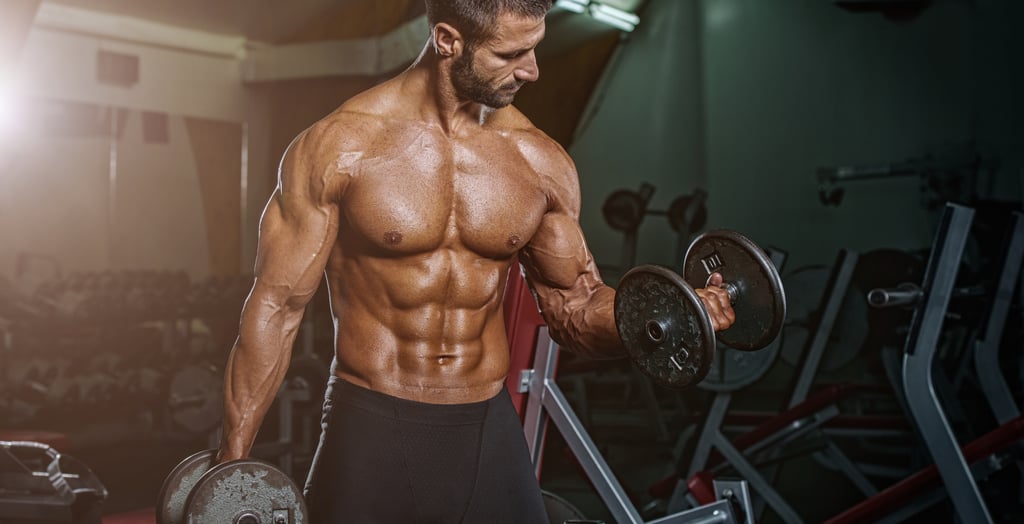
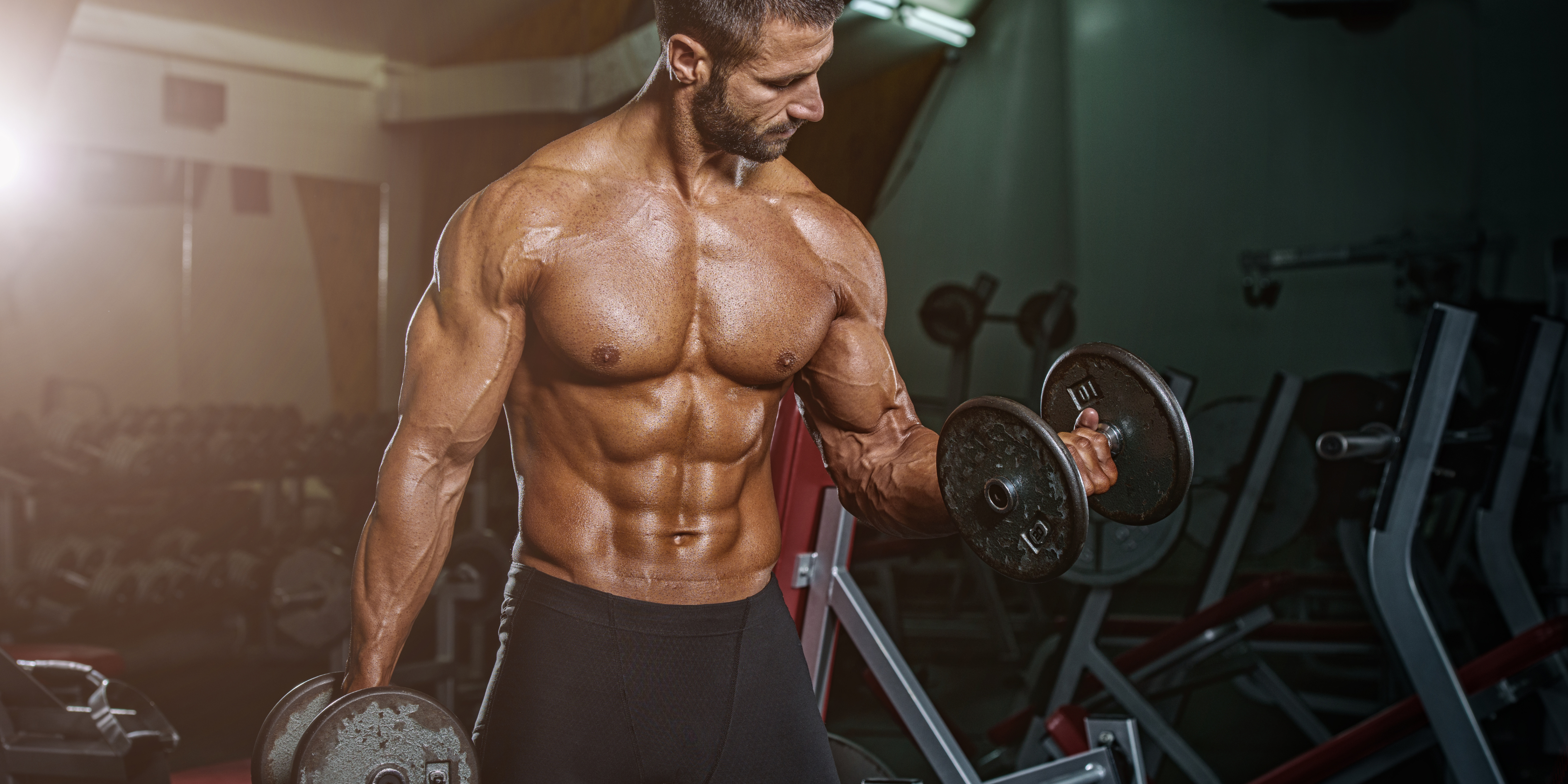
Strength training isn’t just for gym buffs or athletes—it’s for anyone who wants to move better, feel stronger, and live healthier. From improving posture to boosting metabolism and protecting your bones, resistance training pays dividends far beyond the mirror. If you’re a beginner, the world of weights, bands, and bodyweight exercises can feel intimidating—but it doesn’t have to.
Why Strength Training Matters
Resistance exercises make your muscles work against a force, whether that’s dumbbells, bands, or your own body weight. The goal is simple: challenge your muscles so they grow stronger over time. The benefits? Plenty:
Strong muscles, better posture: Everyday movements become easier.
Healthier bones: Weight-bearing exercises reduce the risk of osteoporosis.
Metabolism boost: More muscle means your body burns more calories at rest.
Injury prevention: Strong muscles stabilize joints and reduce falls.
Mood lift: Studies link resistance training to reduced anxiety and improved mental well-being.
Smart Principles for Beginners
Form over everything: Proper technique beats heavy weights every time. Start slow, learn the movement, then add resistance.
Progressive overload: Gradually increase weight, reps, or complexity to keep your muscles adapting.
Rest is part of training: Muscles grow during recovery. Give each muscle group at least 48 hours before hitting it again.
Balance your routine: Target all major muscle groups—legs, back, chest, shoulders, arms, and core—for functional strength.
Beginner-Friendly Exercises
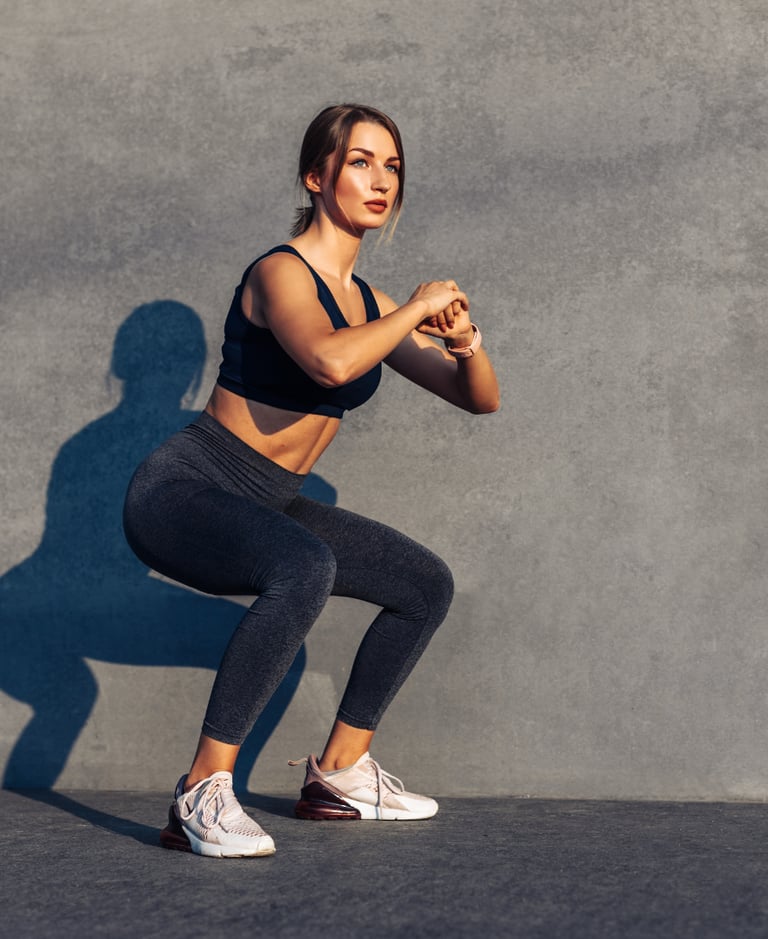
Bodyweight Squats: Strengthen Legs and Glutes
What it does:
Bodyweight squats are a foundational lower-body exercise that targets your quadriceps, hamstrings, and glutes. They also engage your core for balance and stability.
How to do it:
Stand with feet shoulder-width apart and toes slightly turned out.
Keep your chest lifted and core engaged.
Lower your body by bending your knees and pushing your hips back as if you’re sitting in a chair.
Go as low as you can while keeping your heels grounded and your back neutral.
Push through your heels to return to standing.
Smart tip:
Keep your knees aligned with your toes and avoid letting them cave inward. Think of leading the movement with your hips, not your knees.
Push-Ups: Build Chest, Shoulders, and Triceps
What it does:
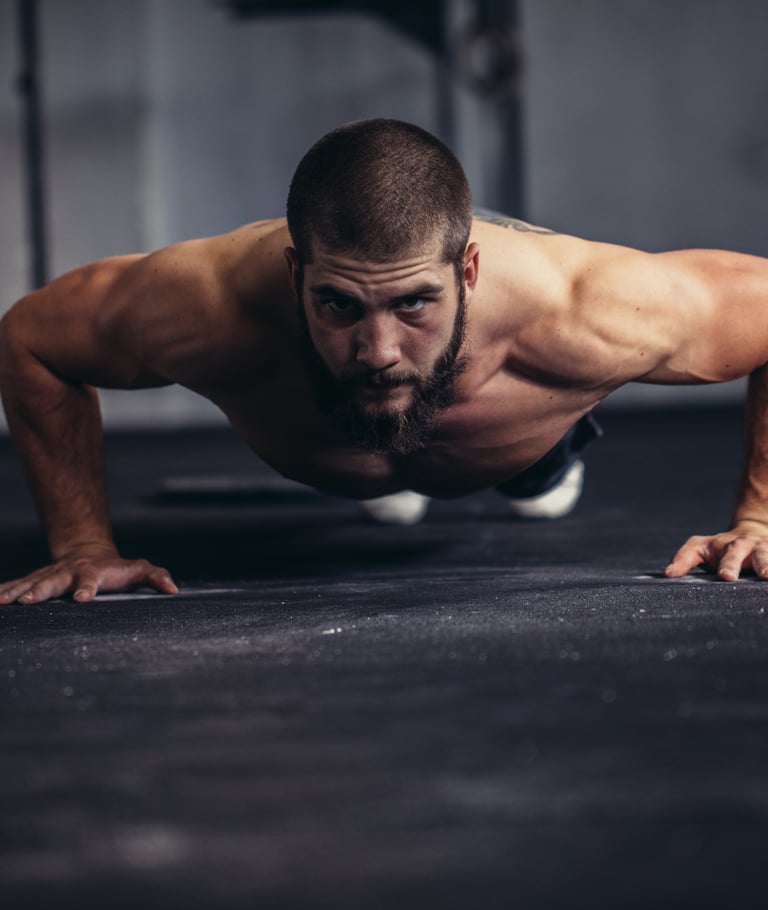
Push-ups are a classic compound exercise that strengthens the upper body—particularly the chest (pectorals), shoulders (deltoids), and triceps—while also engaging your core.
How to do it:
Start in a high plank position with your hands slightly wider than shoulder-width apart.
Keep your body in a straight line from head to heels.
Lower your body by bending your elbows until your chest nearly touches the floor.
Push back up to the starting position without letting your hips sag or pike.
Smart tip:
If full push-ups feel tough at first, modify by keeping your knees on the ground while maintaining proper form.
Resistance Band Rows: Improve Back Strength and Posture
What it does:
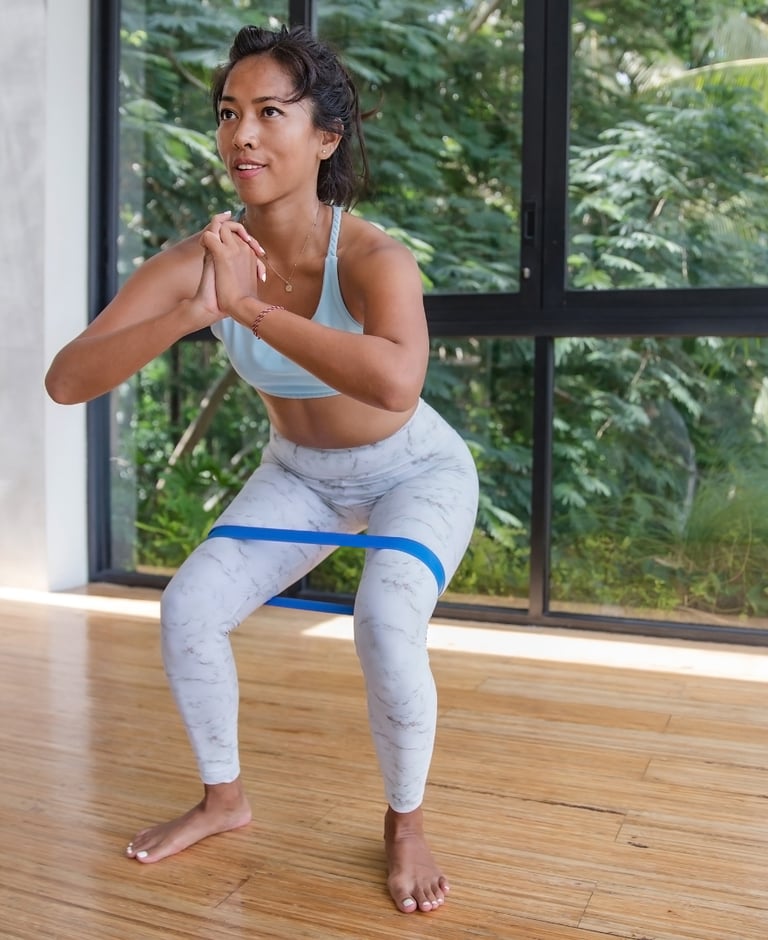
This move targets the muscles of the upper and mid-back—especially the rhomboids, traps, and lats—helping improve posture and counteracting the effects of slouching or long hours at a desk.
How to do it:
Anchor a resistance band around a sturdy object at chest height.
Hold one end of the band in each hand and step back until there’s tension.
Stand tall, engage your core, and pull the band toward your torso by driving your elbows back.
Squeeze your shoulder blades together at the end of the movement, then slowly release.
Smart tip:
Keep your shoulders down and relaxed—avoid shrugging as you pull. Focus on squeezing your back muscles instead of using arm strength alone.
Dumbbell Deadlifts: Work Hamstrings, Glutes, and Lower Back
What it does:
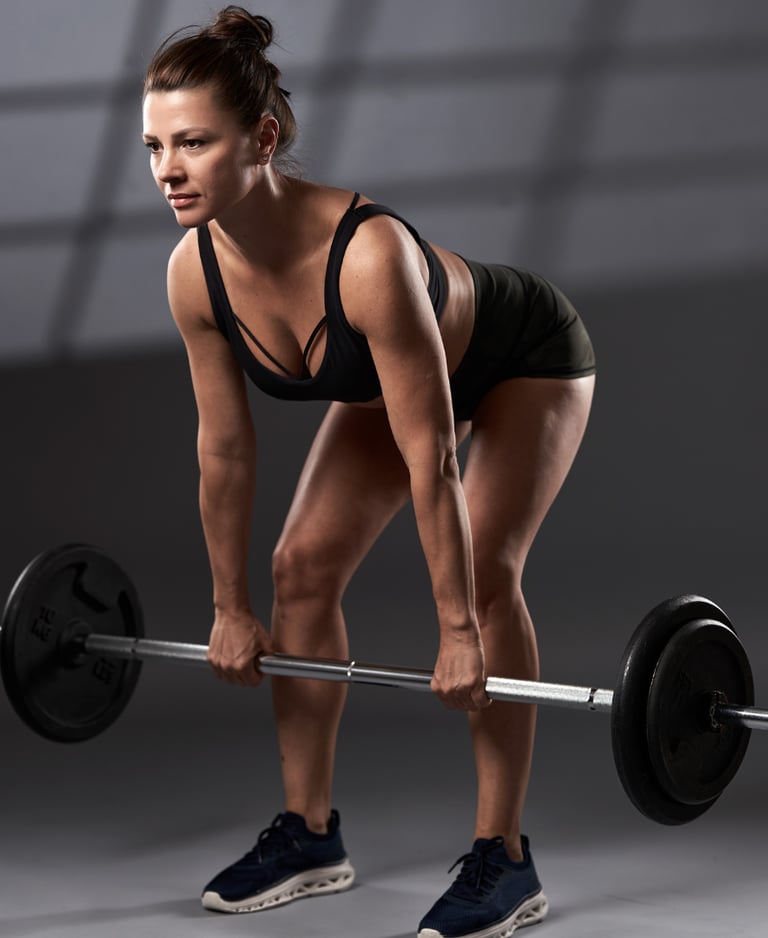
Deadlifts are one of the most effective full-body exercises, targeting your posterior chain—the muscles along the back of your body. They build strength in the hamstrings, glutes, and lower back while improving posture and core stability.
How to do it:
Stand with feet hip-width apart, holding a dumbbell in each hand in front of your thighs.
Keep your back straight and core tight.
Hinge at your hips (not your waist), lowering the dumbbells along the front of your legs.
Go down until you feel a stretch in your hamstrings.
Drive your hips forward and return to standing tall.
Smart tip:
Think “hips back, not knees down.” The movement should come from your hips, not a deep squat. Keep weights close to your body to protect your lower back.
Planks: Strengthen Core and Improve Stability
What it does:
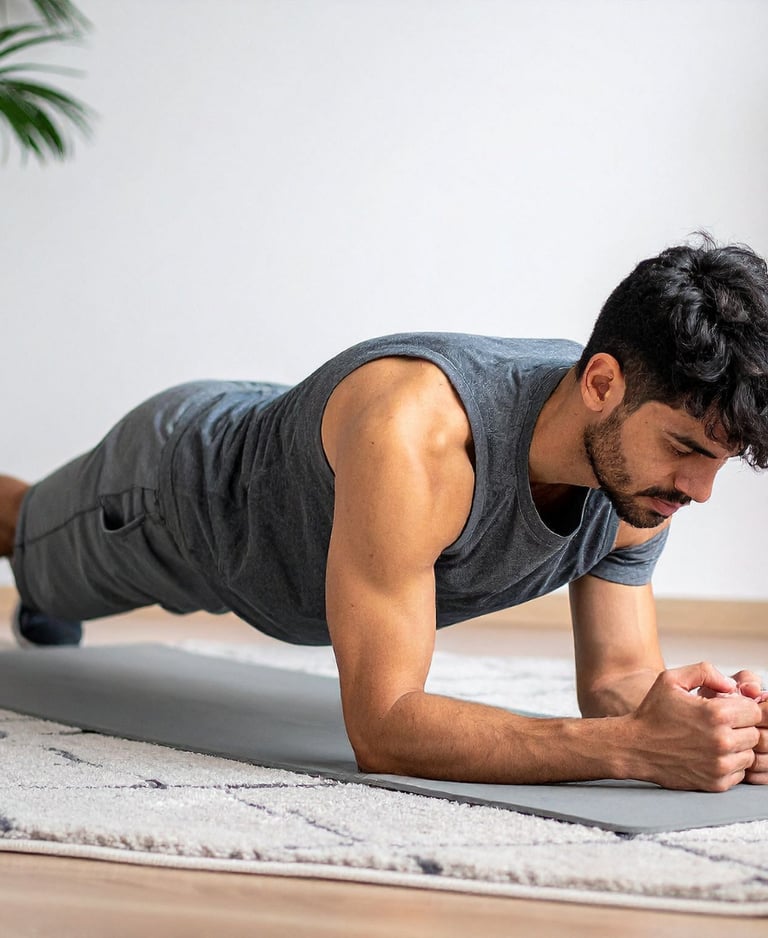
Planks are an isometric core exercise that strengthens your abs, lower back, shoulders, and even glutes. They train your body to maintain stability—crucial for everything from lifting weights to everyday movements.
How to do it:
Start in a forearm or high plank position with your body forming a straight line from head to heels.
Engage your core by pulling your navel toward your spine.
Hold this position without letting your hips sag or rise.
Breathe steadily and maintain tension throughout your body.
Smart tip:
Start with 20–30 seconds and gradually increase your hold time as your core gets stronger. Quality beats duration—stop if your form starts to break.
Tips to Stay Consistent
Treat workouts like appointments.
Track progress—small wins keep you motivated.
Mix in exercises you enjoy—it makes the habit stick.
Complement with cardio for overall health.
Bottom Line
Strength and resistance training is about building more than muscle—it’s about building confidence, resilience, and a healthier future. Start smart, prioritize form, and progress gradually. Over time, consistency will pay off in strength, energy, and well-being—making workouts that once felt intimidating your new favorite part of the day.
References
American College of Sports Medicine. (2021). ACSM’s guidelines for exercise testing and prescription (11th ed.). Wolters Kluwer.
Moraes, H., Deslandes, A., & Laks, J. (2020). Resistance training and mental health: A review. Frontiers in Psychology, 11, 580. https://doi.org/10.3389/fpsyg.2020.00580
Winett, R. A., & Carpinelli, R. N. (2001). Potential health-related benefits of resistance training. Preventive Medicine, 33(5), 503–513. https://doi.org/10.1006/pmed.2001.0910